







Search Results for: Winey Natural
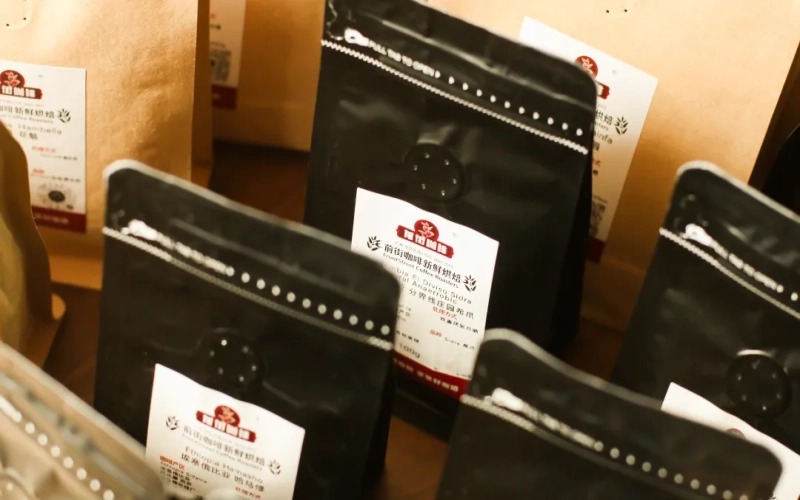
Flavor Analysis Of Yunnan Menglian Winey Natural Coffee Beans: The Unique Charm Of Catimor Arabica
Yunnan coffee is often mistaken for being bitter, but in fact it has a base of pine, herbs, and nuts, infused with local flavors such as brown sugar, plum acidity, and a tea-like quality. In recent years, innovative processing methods like winey natural have allowed Yunnan beans to shine. Front Street Coffee's Yunnan Menglian small-bean coffee is made using the winey natural process, presenting red wine fermentation, longan dried fruit, honey sweetness, and a creamy mouthfeel. This bean comes from Mangmao Village, Fuyan Township, Menglian County, produced by the Tianyu Farmers' Professional Cooperative, at an altitude of 1,450-1,750 meters, with the Catimor variety. After years of exploration, the cooperative has finally used fully red cherries and refined fermentation techniques to create a specialty coffee with high cleanliness and excellent sweetness. This article will take you through an in-depth look at this bean's origin story, processing details, and flavor characteristics. [more…]
Flavor Analysis of Yunnan Menglian Winey Natural Coffee Beans: The Unique Processing of Catimor Small Beans and the Cooperative Story
Yunnan coffee is often labeled as "bitter," but the pine, herbal, and nutty undertones characteristic of Asian beans take on additional notes of brown sugar, plum-like acidity, and a tea-like quality in the Yunnan growing region, forming a distinctive regional flavor profile. For those wanting to try Chinese specialty coffee, Front Street Yunnan small-batch is an excellent entry point, while Menglian small-batch stands out even more with its winey natural processing, bringing aromas of fermented red wine and dried longan fruit, with a honeyed sweetness and creamy mouthfeel that is truly stunning. This article will walk you through how Menglian Tianyu Farmers' Professional Cooperative started from commercial beans, weathered setbacks, and ultimately in 2017 produced a winey natural lot with high cleanliness and prominent sweetness, along with an analysis of this Catimor's terroir and processing details. [more…]
Criteria for Identifying High-Quality Green Coffee Beans and an Analysis of Guatemala New Oriental Winey Natural Beans
What makes a coffee green bean truly high quality? From surface luster and color uniformity to bean-size consistency, every detail affects the flavor in the final cup. And the presence of defective beans is an invisible killer of both roasting and tasting. This article will guide you through practical methods for assessing green bean quality, and take you deep into Guatemala's New Oriente region to discover the Guava Plains Estate winey natural coffee beans recommended by Front Street Coffee—SL28 variety at 1,675 meters, processed via winey natural method, presenting the alluring flavors of pineapple, dried apricot and red wine. At the same time, we will also review the evolution of Guatemala's coffee industry, and see how international green bean traders work with local estates to break the vicious cycle of the traditional supply chain. [more…]
Flavor Analysis and Full Overview of Region and Variety of Guatemala Cadelas Estate Wine-Process Natural Pacas Coffee
Guatemala, as a representative producing country of high-altitude specialty coffee in Central America, has seven distinctive coffee-producing regions. This article focuses on the Candelas estate in the Jutiapa department, offering an in-depth interpretation of its winey natural-process Pacas variety coffee—from the dried fruit and nut aromas of the green beans, to the orange-like sweet acidity and white grape juice on the palate, and then to the milk chocolate and spice finish in the mid-to-late section. It also systematically reviews the origins and breeding value of the Pacas variety, as well as the overall terroir advantages of Guatemalan coffee. Front Street Coffee presents a complete flavor record of this unique winey natural batch, providing professional tasting reference for coffee enthusiasts. [more…]
Where Does the Winey Aroma in Espresso Blends Come From? Which Blend Works Best for Milk Coffee? Front Street Sunflower Warm Sun Flavor Analysis
In the world of espresso, the choice of blended beans often determines the final direction of a shot of espresso or milk coffee. Some people prefer blended beans with vinous notes, that faint fermented aroma that adds layers to the coffee; others pay more attention to how the blend performs when combined with milk, hoping the milk coffee still retains clear flavor recognition. A current espresso blend used by Front Street Coffee—Front Street Sunflower Warm Sun Espresso Blend—happens to perform well on both of these dimensions. It is composed of Front Street Honduras rum barrel-fermented Sherry coffee beans and Front Street Yirgacheffe natural Red Cherry Project in a 7:3 ratio. When pulled as espresso, the vinous notes are pronounced, the acidity is moderate, and the finish is long; when made into milk coffee, the rum chocolate flavor stands out, with high sweetness and a smooth mouthfeel. This article will analyze the source of the alcoholic flavor, the blending approach, and the milk coffee performance to help coffee lovers understand the characteristics of this bean more clearly. [more…]

Can Blended Coffee Beans Be Used for Cold Brew? A Detailed Guide to Cold Brew Ratios and Practical Experience
In the heat of summer, a refreshing glass of cold brew is the go-to choice for many coffee lovers looking to beat the heat. But have you ever considered that coffee beans blended from two or more varieties can also produce an outstanding cold brew? Cold brew, due to its low-temperature, long-duration extraction, has a richer, smoother mouthfeel, yet its floral and fruity notes gradually fade with storage time. This article draws on the hands-on experience of Front Street Coffee, first outlining the characteristics of cold brew and the advantages of blended beans, then recreating several blending experiments one by one: from Sidra with Geisha, Pacamara with Red Cherry, to Huakui paired with Strawberry Candy and Wangshan Geisha, and finally challenging the dark-roasted Queen's Estate blended with Flower God. Some of these recipes are full-bodied and layered, while others flop into a "mask of pain," yet they perfectly showcase the fun and possibilities of blended cold brew. [more…]
A Complete Analysis of the Flavors of Guatemala's Eight Major Regions: Tasting Notes of Finca El Llano Guayaba Wine-Process Natural SL28
Guatemala, with its sprawling mountain ranges and diverse microclimates, gives rise to eight major coffee regions, each with its own distinct style. This article begins with Finca El Guayabal in the New Oriente region, offering a detailed introduction to the varietal origins, processing details, and cupping performance of its winey natural SL28, and then systematically reviews the terroir characteristics and flavor profiles of each Guatemalan coffee region. Whether you are interested in regional knowledge or single-origin reviews, you will find a complete reference here. [more…]
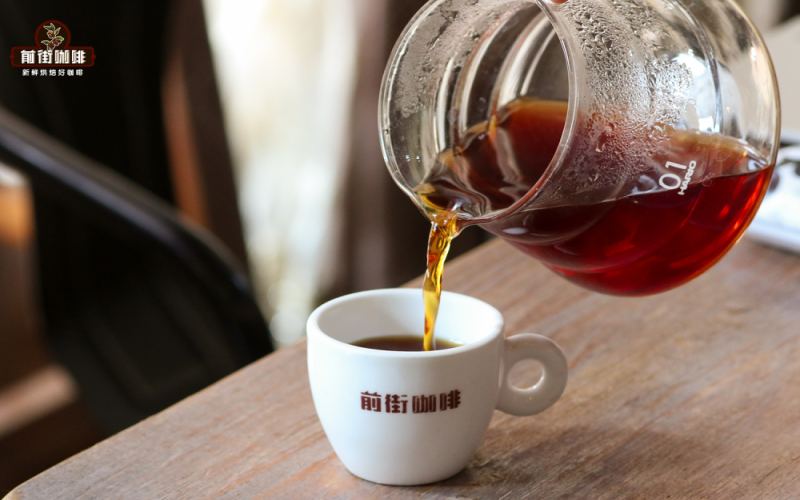
Colombia Huila Coffee Region Explained: The Flavor Code and Brewing Tips of Floral Moonlight Double Anaerobic Natural
Colombia, as the world's second-largest coffee-producing country, has given rise to countless unforgettable specialty coffees thanks to its superior natural conditions and its relentless pursuit of quality. Among them, the Huila region is renowned for its balanced and full-bodied flavors, while Front Street Coffee's Flower Moon Night, with its double anaerobic natural processing method, brings intense strawberry aromas and winey chocolate notes, making it a popular choice among specialty processing methods. This article will systematically sort through the industrial background of Colombian coffee, the terroir advantages of the Huila region, the necessity of manual picking, and the processing techniques and brewing parameters of Flower Moon Night, taking you deep into the story behind this unforgettable coffee. [more…]
How Does a Costa Rican Natural Bean Perform as an SOE? Sonora Estate Villa Sarchi Single-Origin Espresso Recommendation
Costa Rican coffee has always been known for its clean sweetness, but what kind of espresso experience is created when sun-dried processing meets the ancient variety Villa Sarchi? This article focuses on the Sonora Estate sun-dried Villa Sarchi offered by Front Street Coffee, breaking down everything from the estate's century-long history and environmentally sustainable cultivation model to the variety's origins and processing method characteristics, to determine whether this bean can handle the role of an SOE. The Sonora Estate's pioneering position in varieties and processing methods, the micro-mill's strict quality control, and the sun-drying line's signature juicy winey aroma and ripe fruit florals are all key clues for judging its espresso performance. [more…]
Nicaragua Finca La Tormenta Natural Maragogype: Variety Origins, Growing Region Characteristics, and Pour-Over Flavor Analysis
The Maragogype Natural from Nicaragua's Finca La Tormenta is a giant bean variety that has attracted much attention in the specialty coffee world. Starting from a practical pour-over plan, this article provides specific parameters: 15g of coffee, medium grind, 88-89°C water temperature, 1:15 coffee-to-water ratio, and a 2-minute extraction. It also sorts out the botanical origins of Maragogype—originating from Maragogipe County in Bahia, Brazil, established as a classification in 1870, belonging to an Arabica-derived hybrid, with beans reaching more than three times the size of ordinary coffee beans. The article also introduces the distribution of Nicaragua's four major producing regions, the SHG highest grade of the Segovia region, and the body and fragrance brought by volcanic fertile soil and shade growing, and explains in detail the pineapple, winey, stone fruit, caramel, and roasted nut flavor layers of this natural bean from Finca La Tormenta, as well as Front Street Coffee's roasting and product information. [more…]
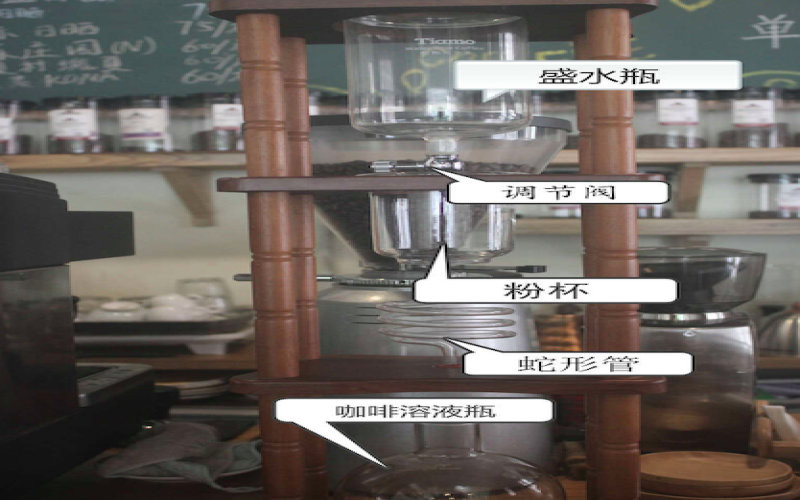
How to choose coffee beans for cold brew? Front Street Coffee explains the blending logic and key production points.
Still craving a refreshing cup of coffee after autumn arrives? Cold brew drip coffee might just be the ideal choice. It uses ice water at low temperatures for slow, prolonged extraction, followed by refrigerated fermentation. Astringent compounds are less likely to be released, giving the final product a fuller body and a gentle fermentation aroma. Front Street Coffee (FrontStreet Coffee) has taken notes of wine, fruit, and cream as its theme this time, selecting Front Street Honduras Sherry and Front Street Megalith Black Honey beans, blended at a 1:1 ratio, with a coffee-to-water ratio of 1:12, seven drops every ten seconds, and two days of refrigerated fermentation, creating a cup of cold brew drip coffee with floral notes, strawberry and blueberry sweet-tartness, and flavors of vanilla and liqueur chocolate. The following article will share this blending approach in full, along with key details such as pre-infusion, filter paper placement, and tamping, for coffee enthusiasts' reference. [more…]
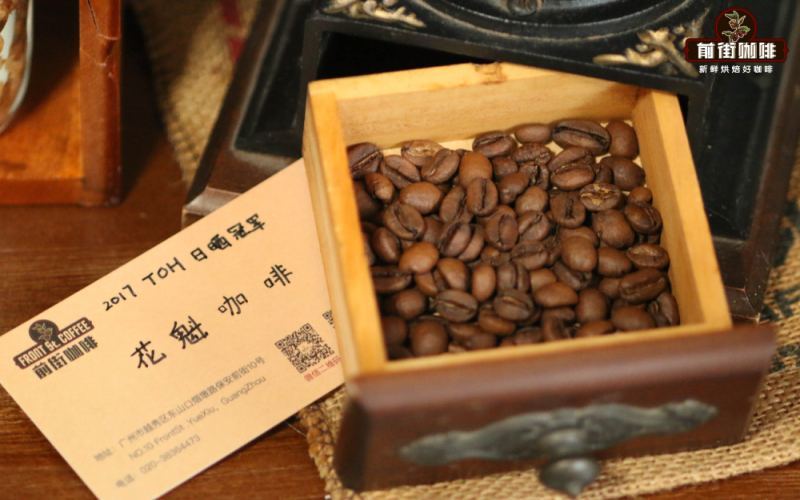
Ethiopia Sidamo Huakui Coffee Bean Origin Flavor Analysis and Australian White SOE Preparation Method
Sidamo Huakui is one of the most recognizable coffees among Ethiopian heirloom varieties, known for its bold aroma and high sweetness, and it once took first place in the natural group cupping of the 2017 harvest. It uses only fully red cherries and adopts slow drying on African raised beds with long low-temperature fermentation. In its wet aroma, winey and floral notes intertwine, and as a pour-over it tastes like a cup of strawberry fruit tea. This article will outline Huakui's origin background, grading standards, and the differences between washed and natural processing, and share how Front Street Coffee uses Huakui 8.0 to make an SOE flat white with a small cup volume, thin milk foam, and a ristretto base, taking you from the source to the cup for a complete understanding of this bean. [more…]
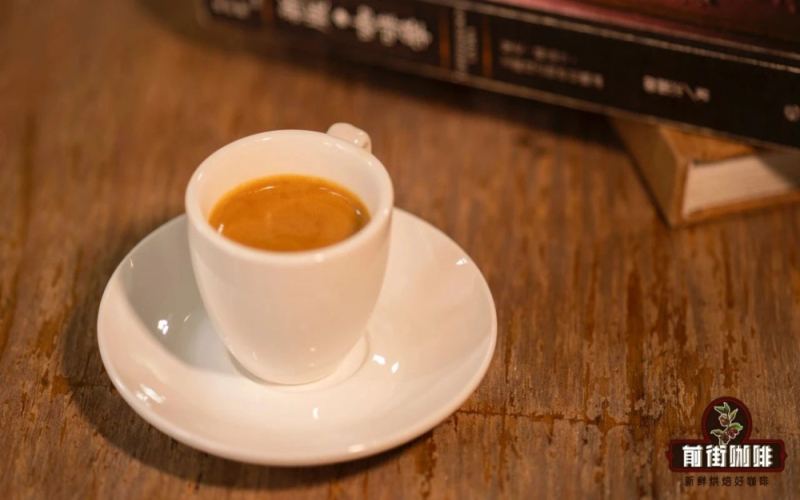
How to Choose Beans for Single-Origin Espresso (SOE)? Medium Roast Control and Three Flavor Recommendations
SOE stands for Single Origin Espresso, referring to espresso made from beans of a single origin, and it has gained great popularity in specialty coffee circles in recent years. However, SOE beans are quite particular about roast level: roasting too dark wears away the origin's flavors, while roasting too light makes it hard to balance body and consistency, so a medium roast becomes the sweet spot. This article first clarifies the definition of SOE and the roasting approach, then, based on three stylistic directions—floral and fruity, fermented and winey, and rich and full-bodied—introduces the origin background, processing methods, and flavor performance of three beans: Front Street Coffee Strawberry Claw, Front Street Coffee Blackberry, and Front Street Coffee Brazil Queen's Estate, to help you find the cup that suits you. [more…]
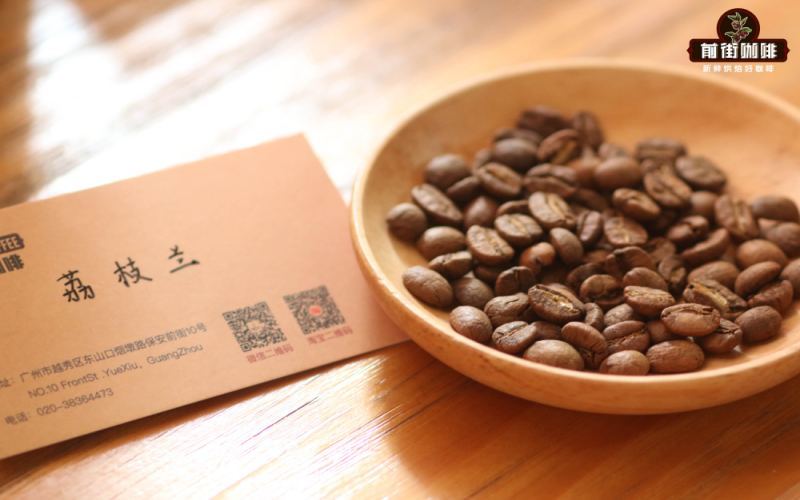
Honduras Lychee Orchid Coffee Bean Flavor Analysis: Mocha Estate Barrel Fermentation Process and Pour-Over Roast Review
Located in Central America, Honduras has become an important origin for specialty coffee thanks to its mild tropical climate and abundant rainfall. This article focuses on the Honduras Moka Estate Lychee Brandy coffee beans launched by Front Street Coffee, offering a detailed introduction to the terroir conditions of Marcala in its origin, the characteristics of the Caturra and Catuai varieties, and the unique processing method that combines refined washing with brandy barrel fermentation. By comparing the cupping and pour-over performance of two roasting curves, it provides an in-depth analysis of the layered changes in this bean's flavors—ranging from floral notes, berries, and lychee to brandy aroma and dark chocolate—offering coffee enthusiasts a complete reference for roasting and brewing. [more…]
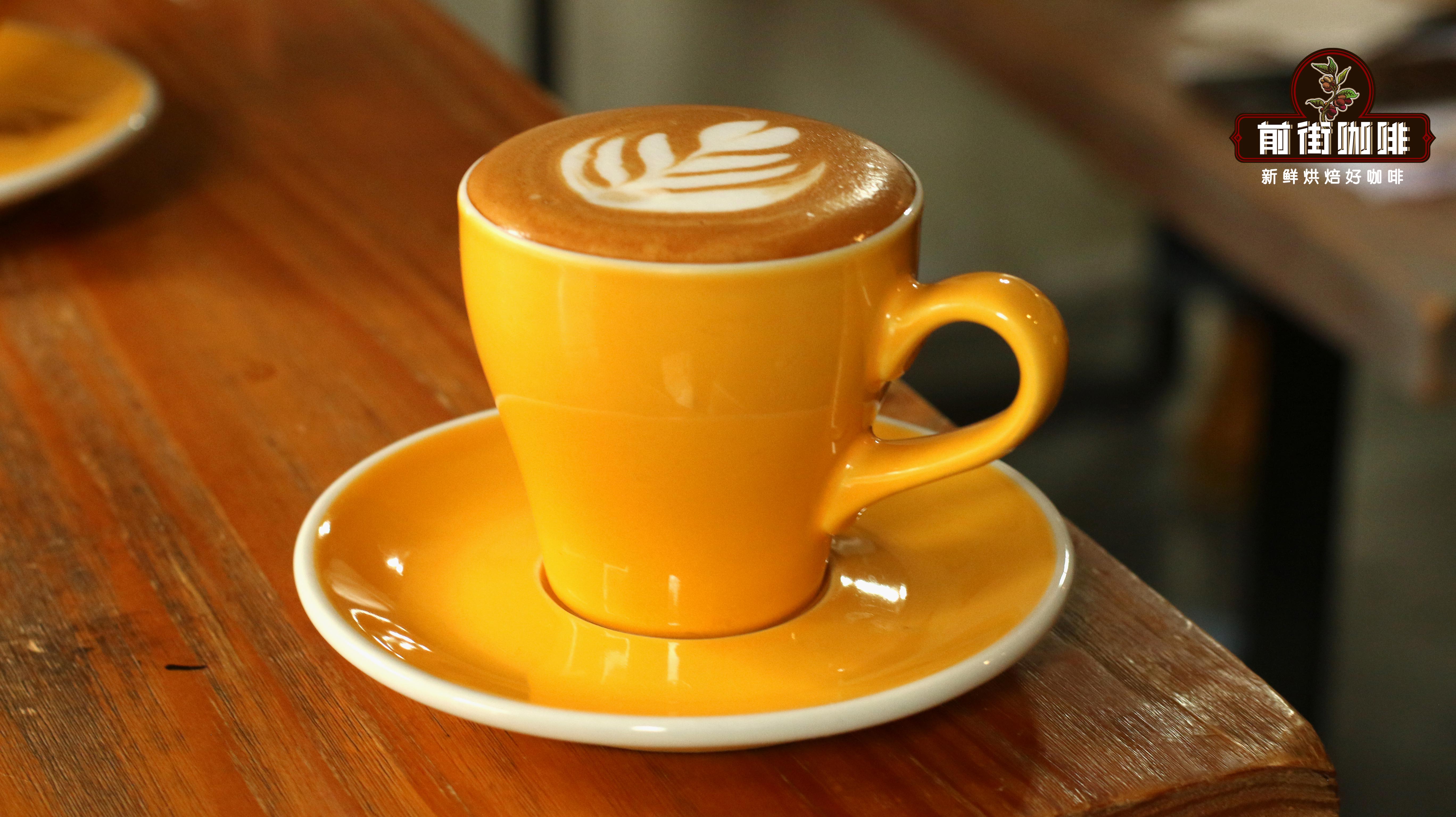
What's the difference between a latte and a cappuccino? A complete guide to the methods, ratios, and caffeine content of Italian milk coffees
Latte and cappuccino are the two most frequently ordered milk coffees on the Italian coffee menu. They share the same ingredients—espresso, milk, and milk foam—but their texture and ratios are quite particular. Drawing on Front Street Coffee's production experience, this article systematically sorts out the definitions of latte and cappuccino, their historical origins, the choice of espresso beans, extraction parameters, milk steaming temperature and foam thickness, as well as their respective recommended ratios and flavor performance. It also answers the common question of how much caffeine a latte contains, helping coffee lovers more clearly choose the Italian milk coffee that suits their taste. [more…]

How to Determine the Espresso Coffee Grounds-to-Water Ratio? A Complete Analysis of Four Front Street Coffee Espresso Blends: Flavors and Brewing Methods
Want to make a decent espresso at home? The coffee-to-water ratio is one of the most critical parameters. This article draws on the hands-on experience of Front Street Coffee, first explaining why espresso mostly uses blend beans rather than single-origin beans, then explaining how the dose is limited by the basket capacity, why a 1:2 coffee-to-liquid ratio is regarded as the golden ratio, and how too much or too little coffee grounds affects flow rate and flavor. It then introduces, one by one, the four espresso blend beans currently offered by Front Street—Sunflower Warm Sun, Specialty Blend, Commercial Blend, and Dark Cocoa Blend—including their recipe proportions, flavor descriptions, and target drinkers. Finally, it supplements the ways to taste espresso, helping you understand why it emphasizes mouthfeel, aroma, and finish rather than distinguishing temperature changes like pour-over. [more…]
Ethiopian Sidamo Coffee: A Complete Guide to Origin, Varieties, Processing Methods, Flavor Profile, and Grinding & Roasting Essentials
Sidamo is a highly representative single-origin coffee region in Ethiopia, famous for its small grey bean variety and intense spice, winey, chocolate, and floral notes. The washed process brings clean and refreshing lemon, citrus, jasmine, and honey tones, with bright, uplifting acidity and lower body, suitable for City to Full City roasts. Local traditional processing methods are relatively rough, prone to mixing in impurities and defective beans, resulting in high quality fluctuations; Shakisso, as a micro-region in the Guji area adjacent to Sidamo, attracts attention for its unique regional flavor, and Front Street's sun-dried Sidamo can reach G1 grade after careful selection. [more…]
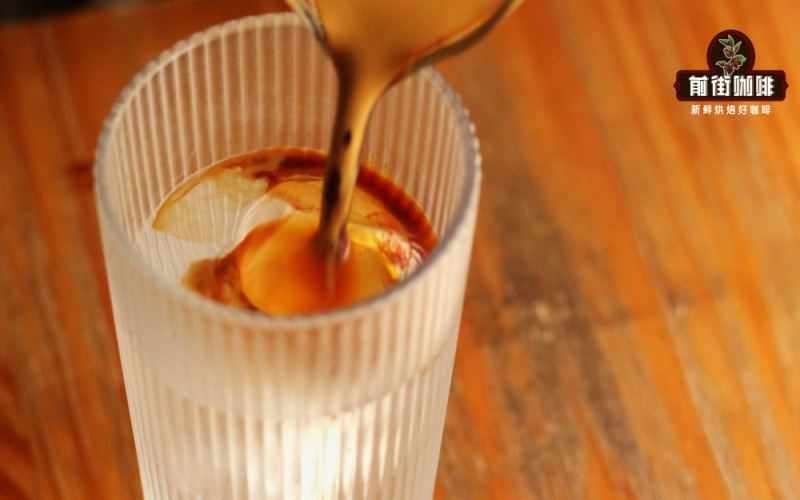
American Coffee Fat-Loss Guide | Can a Moka Pot Make Americano? Espresso Dilution Ratio and Brewing Method Explained
The essence of Americano is espresso diluted with water, and the strength can be flexibly adjusted according to personal preference, which is why it is described as "made to your liking." The key to determining the flavor direction of a cup of Americano lies in the blend beans used, with common combinations such as Brazil blended with Mandheling bringing bittersweet dark chocolate notes, while Colombia blended with Brazil presents a rich, smooth nutty chocolate aroma. Front Street Coffee offers four espresso blends—Warm Sun, Specialty, Commercial, and Black Cocoa—covering different profiles such as winey, nutty, full-bodied, and slightly acidic. In terms of preparation, an espresso machine can be used to extract 40g of liquid from 20g of grounds, or a moka pot can be used for home brewing. As for fat loss, drinking it within 30 minutes to 1 hour after a meal or having a cup before exercise can aid digestion and fat mobilization, but relying on black coffee alone is not advisable—it still needs to be combined with a healthy diet and regular exercise. [more…]
A Complete Guide to Coffee Blending: Purpose, Flavor Positioning, Pre-Roast vs. Post-Roast Blending, and Ratio & Recipe Approaches
Blending coffee beans is not simply mixing them together, but a technical craft that balances experience, inspiration, and calculation. This article systematically outlines the complete blending process: from clarifying the purpose of the blend (reducing costs, stabilizing flavor, creating tastes that a single-origin bean cannot achieve), to determining the target flavor, choosing between pre-roast or post-roast blending, and then locking in the blend ratio through pre-confirmation and final confirmation via cupping. Using the Warm Sun Blend as an example, the article explains how to use Honduras Sherry Barrel as the main base, combined with Natural Yirgacheffe Red Cherry Project, roasted separately and then combined, balancing vinous notes with fruity acidity and berry tones, while preserving Front Street Coffee's brand experience and product information. [more…]
Front Street Coffee Explains Finca El Burro Anaerobic Slow Dry: How the ASD Process Shapes Ultimate Flavor
Front Street Coffee takes you on an in-depth look at Hacienda La Esmeralda's anaerobic slow natural process. In 2019, the estate's natural coffee set a new record with 95.25 points, and its washed lot also scored 95 points, both reaching new highs. The Lamastus family uses an anaerobic slow-dry technique, fermenting the coffee beans in oxygen-free tanks for five days, then drying them slowly over five weeks, resulting in intense wine aromas and cocoa notes in the cup. This article not only reviews the details of this breakthrough processing method, but also analyzes its flavor impact on coffees of different altitudes and varieties, especially how Geisha retains its clean and elegant character at high altitudes. [more…]